
June 13, 2026
For many homeowners, the dining area ends up being one of the hardest-working spaces in the house. It hosts quick weekday breakfasts, homework sessions, holiday meals, late-night conversations, and everything in between. Yet traditional dining setups do not always make the best use of the available space, especially in kitchens where every square foot matters.
That is one reason built-in banquettes and breakfast nooks have remained popular for decades. When thoughtfully designed, they can increase seating capacity, improve storage, and make a kitchen or dining room feel more connected to everyday life. The key is understanding how to design them properly. A beautiful banquette that is too shallow, too deep, or awkwardly placed can quickly become one of the least comfortable seats in the house.
Why Choose a Built-In Banquette or Breakfast Nook?
A custom banquette is often less about creating additional seating and more about solving layout challenges that traditional dining furniture cannot.
Space-Saving Benefits in Kitchens and Dining Rooms
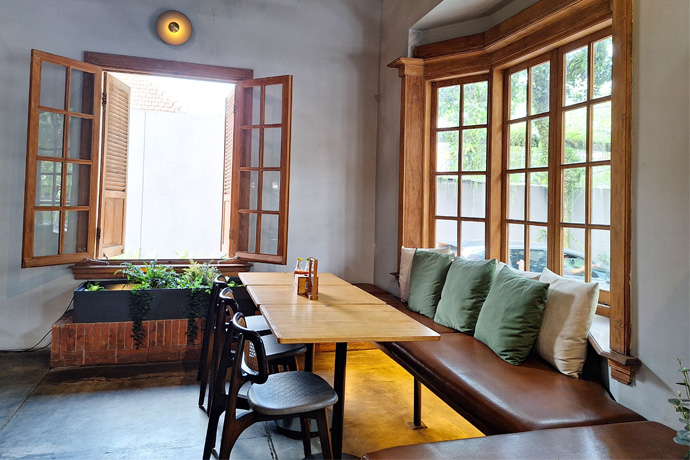
Banquettes are particularly effective in homes where space is limited or where the existing dining area feels inefficient. Because seating is built directly against a wall, corner, or window, there is no need to leave clearance for chairs on every side of the table.
This often allows homeowners to seat more people within the same footprint. A corner banquette that comfortably seats six may require significantly less floor space than a dining table surrounded by six individual chairs.
Banquettes can also help make use of areas that are otherwise difficult to furnish. Bay windows, unused corners, and transitional spaces between kitchens and family rooms are common locations where custom seating can create both function and visual interest.
For open-concept homes, a breakfast nook can help establish a dedicated dining zone without the need for additional walls or room dividers.
Combining Storage With Seating
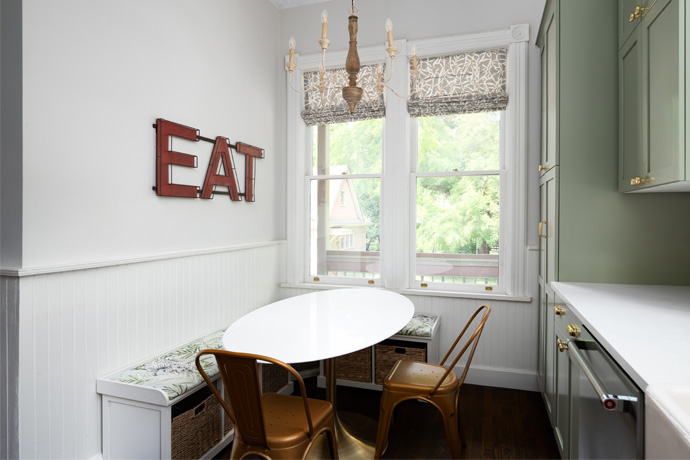
One of the biggest advantages of custom millwork is the ability to incorporate storage exactly where it is needed.
The most common solutions include lift-up bench seats, deep drawers beneath the seating, or integrated cabinetry at the ends of the banquette. Each approach has advantages depending on how the space will be used.
Lift-up seats typically provide the greatest storage capacity and work well for seasonal items, serving pieces, or rarely used kitchen accessories. Drawers tend to be more convenient for everyday essentials such as placemats, table linens, children's activities, or small appliances.
For many families, the most successful designs combine both approaches. The result is seating that not only saves space but also reduces clutter elsewhere in the home.
Designing Your Perfect Banquette
Comfort should drive every design decision. Homeowners often focus on finishes and fabrics first, but dimensions have a much greater impact on how enjoyable the space will be to use.
Layouts, Shapes, and Dimensions
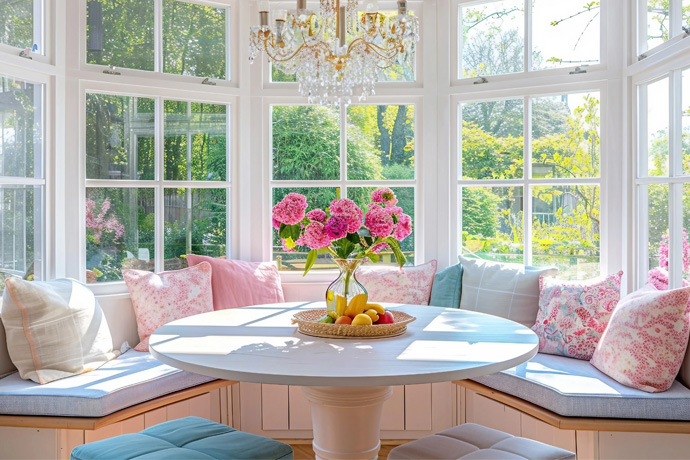
The most common banquette layouts include straight benches, L-shaped configurations, and U-shaped seating arrangements.
L-shaped banquettes are often a favorite because they make efficient use of corners while maintaining an open feel. U-shaped designs can accommodate larger groups and create a cozy, restaurant-style atmosphere, though they require more space.
Getting the dimensions right is critical. Seats that are too deep can make it difficult to sit comfortably at the table without additional pillows. Seats that are too shallow may feel unsupported during longer meals. Backrest angles, table height, and legroom all need to be carefully considered together.
The shape of the dining table matters as well. Round and oval tables often work particularly well with banquettes because they improve circulation and make it easier for everyone to enter and exit their seats.
One detail homeowners frequently overlook is traffic flow. A breakfast nook should feel inviting, not like an obstacle course. Designers carefully evaluate nearby walkways, appliance clearances, and door swings to ensure the seating integrates naturally into the room.
Materials, Cushions, and Upholstery Choices
The right materials depend largely on how the space will be used.
In homes with young children, performance fabrics are often worth the investment. Many modern options resist stains, moisture, and everyday wear while still offering the texture and softness homeowners want.
Leather can be a durable choice for high-use areas and develops character over time. Woven textiles and linen blends create a softer, more relaxed aesthetic, though they may require additional maintenance.
Cushion construction matters just as much as fabric selection. High-density foam typically provides better long-term support and helps prevent cushions from flattening prematurely.
The goal is to create a space that feels comfortable enough for a quick breakfast but supportive enough for a two-hour dinner with friends.
Integrating Banquettes Into Existing Millwork
The most successful banquette looks as though it were always part of the home rather than a later addition.
Matching Cabinetry and Trim Details
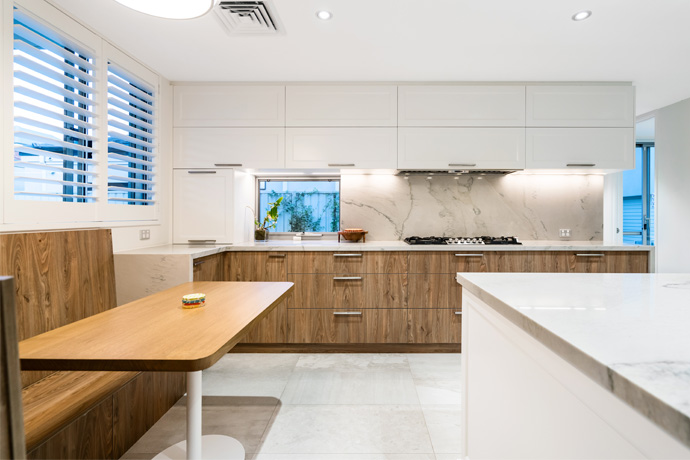
A custom banquette should relate to the surrounding architecture. Details such as panel profiles, molding styles, paint colors, wood species, and hardware finishes all contribute to a cohesive appearance.
In kitchens with existing custom cabinetry, matching those details helps create visual continuity throughout the room. Even subtle elements such as toe-kick dimensions and trim proportions can influence whether a built-in feels integrated or disconnected.
This is where custom millwork offers a significant advantage over prefabricated furniture. Every detail can be tailored to the home's existing design language.
Lighting and Electrical Considerations
Lighting is often what transforms a functional breakfast nook into a favorite gathering space.
A pendant fixture centered over the table provides focused illumination while helping define the seating area visually. Layering additional lighting through sconces or nearby recessed fixtures can make the space feel warmer and more versatile throughout the day.
Electrical planning deserves attention as well. Many homeowners now use their breakfast nook for remote work, homework, reading, or charging devices. Incorporating outlets into nearby millwork or adjacent walls can make the space significantly more functional without affecting its appearance.
Natural light should also be considered early in the design process. Banquettes positioned near
windows often become some of the most desirable seats in the home, particularly when views and daylight are incorporated into the overall layout.
Inspiration from Joseph A. Interiors
At Joseph A. Interiors, built-in banquettes are designed as part of a larger vision for how a space should function and feel. Every detail, from seating dimensions to millwork profiles and upholstery selections, is carefully considered to create a dining area that feels comfortable, cohesive, and tailored to the homeowner's lifestyle.
Whether incorporated into a kitchen renovation, a dining room redesign, or a custom millwork project, a thoughtfully designed banquette can transform underutilized space into one of the most inviting areas in the home. With the right combination of craftsmanship, comfort, and design expertise, these built-in gathering spaces often become the seat everyone chooses first.
Custom millwork is already a statement of craftsmanship. When paired with thoughtful lighting, it becomes immersive, functional, and emotionally resonant. If you’re planning a luxury renovation, boutique retail space, or simply want to elevate your interiors with detail-driven design, we’d love to talk. Let’s bring your vision to life!
- Share:
-

-

-

-


