
March 22, 2026
Beautiful woodwork is usually what makes a home feel finished. Things like custom cabinetry, paneling, and built-ins add warmth and detail you just don’t get from other materials. When they’re done well and taken care of, they can last for decades.
In Wisconsin, though, wood has to deal with a lot. Winters are cold and dry, summers are humid, and the temperature swings can be pretty extreme. Because of that, wood naturally expands and contracts throughout the year. It’s completely normal, even if it’s a little surprising the first time you notice it.
Once you understand that movement and how to take care of it, it’s much easier to keep everything looking good and holding up over time.
Why Wood Moves in Wisconsin
Wood is a hygroscopic material, meaning it absorbs and releases moisture from the surrounding air. As humidity rises, wood fibers expand. As the air dries out, those fibers contract.
In the Midwest, seasonal humidity swings can be significant, which means movement is expected even in the highest quality cabinetry.
Humidity Swings and Seasonal Expansion
During winter, indoor heating systems dry out the air. In many Wisconsin homes, humidity levels drop below 25 percent. Wood releases moisture and contracts slightly.
In summer, the opposite occurs. Outdoor humidity rises, and indoor air becomes more moisture-rich, even with air conditioning running. Wood absorbs moisture and expands.
For example, a solid wood cabinet panel that measures 18 inches across may expand or contract by as much as 1/16 to 1/8 inch across the seasons.
Skilled millwork is designed to accommodate this movement through joinery techniques that allow panels to shift without damaging the surrounding structure.
What Movement Looks Like
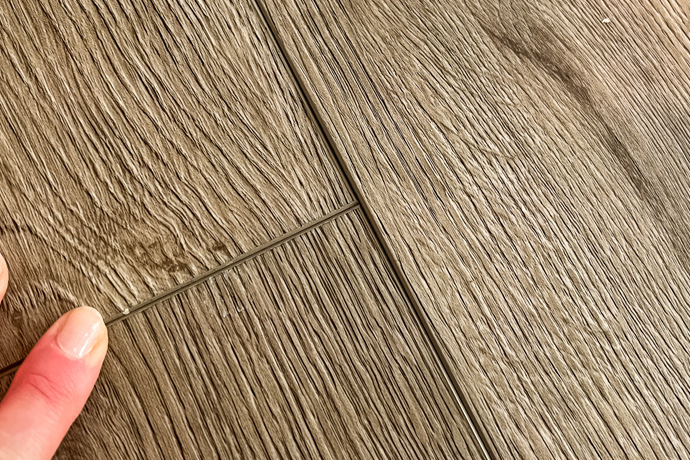
Most seasonal wood movement appears in small cosmetic changes throughout the home. These changes are normal and usually temporary.
Common signs include:
-
small gaps at trim joints during winter
-
cabinet doors that feel slightly tighter in late summer
-
hairline cracks at molding seams
-
drawers that move more freely in colder months
Inset cabinetry, where doors sit flush inside the frame, often shows these changes more clearly because tolerances are tighter. These shifts generally stabilize once humidity levels return to normal.
The Ideal Indoor Conditions
Maintaining stable indoor conditions is the most effective way to protect wood interiors. Even small improvements in humidity control can significantly reduce seasonal movement.
Target Humidity Range
Fine millwork performs best when indoor humidity remains between 35 and 45 percent. Below 30 percent, wood becomes excessively dry and shrinkage increases. Above 50 percent, swelling becomes more likely. A digital hygrometer, which measures indoor humidity, is an inexpensive tool that provides valuable insight into the environment inside your home.
Temperature Stability
Temperature swings also affect wood performance. Rapid shifts can accelerate moisture exchange within the wood fibers. Most interior environments perform best between 65 and 75 degrees Fahrenheit.
Maintaining consistent temperatures throughout the home reduces stress on cabinetry, paneling, and trim. Homes with large windows or southern exposure may benefit from window treatments that reduce prolonged direct sunlight on wood surfaces.
When to Use a Humidifier or Dehumidifier
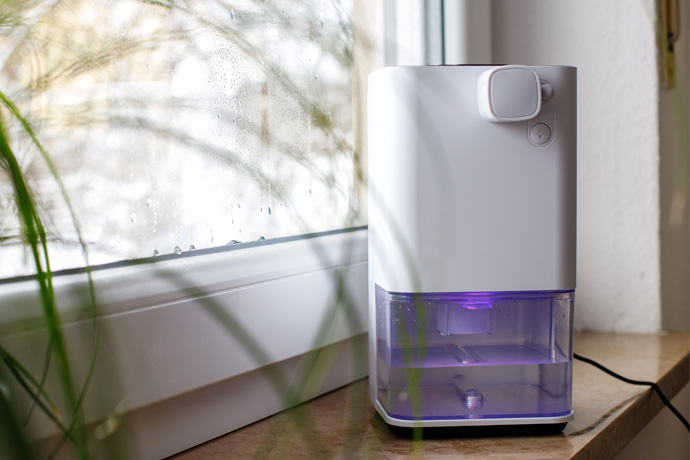
Wisconsin winters often require supplemental humidity. Whole-home humidifiers integrated into HVAC systems are one of the most effective solutions because they maintain consistent moisture levels throughout the home.
Portable humidifiers can also help in smaller spaces, though they should not be placed directly beside cabinetry or millwork. In summer, air conditioning typically controls humidity. In particularly humid environments, a dedicated dehumidifier may provide additional balance.
Seasonal Maintenance Checklist
Each season presents slightly different conditions for wood interiors. A simple seasonal routine helps prevent small issues from becoming larger concerns.
Winter: Dryness, Shrinkage, and Static
Winter is when wood is most likely to contract. Homeowners may notice small trim gaps or slightly looser cabinet doors. Maintaining proper humidity is the most effective solution. This is also a good time to inspect cabinetry and millwork for dryness or finish wear caused by heating systems.
Spring: Rising Humidity and Expansion
As humidity rises in spring, wood begins to regain moisture. Doors and drawers may feel slightly tighter as panels expand. If needed, minor hinge adjustments can restore smooth alignment. Spring is also an ideal time to clean cabinetry surfaces after months of winter heating.
Summer: AC Cycles and Condensation Risk
Summer humidity can fluctuate significantly. Air conditioning helps regulate moisture levels, though high outdoor humidity can still influence indoor conditions. Avoid placing damp items such as chilled glassware or wet cloths directly on wood surfaces.
Condensation can leave moisture rings or stress the finish. Homes near lakes or wooded areas may benefit from monitoring humidity levels more closely during peak summer months.
Fall: Rebalancing Before Heating Season
Autumn offers an opportunity to prepare interiors before winter dryness returns. Inspect trim joints, cabinetry hardware, and finishes. Small touch-ups or adjustments made in the fall often prevent issues from becoming noticeable during winter.
Cleaning Without Damaging Finishes
Proper cleaning protects both the appearance and durability of wood finishes.
What to Use
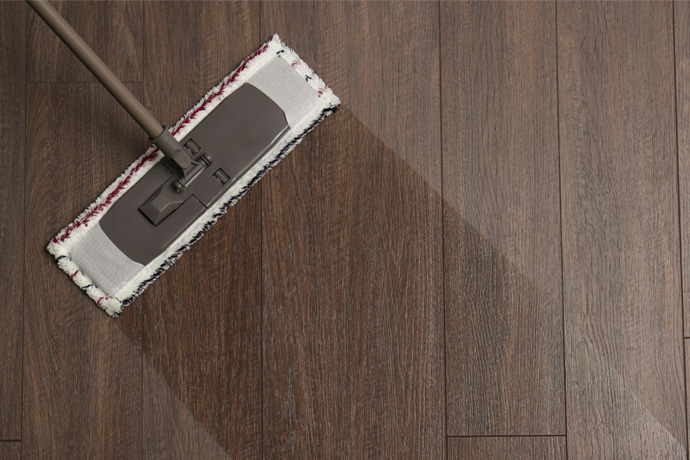
Routine cleaning requires very little. A soft microfiber cloth removes dust effectively. For fingerprints or light residue, use a lightly dampened cloth followed by a dry one. Occasionally, a cleaner specifically designed for finished wood surfaces can be used for deeper cleaning.
What to Avoid
Harsh chemicals are the most common cause of finish damage. Avoid:
-
ammonia-based cleaners
-
abrasive sponges
-
strong solvents
-
heavy wax or silicone furniture polish
Silicone products may create buildup that interferes with future refinishing or touch-up work.
How to Handle High-Touch Areas
Drawer fronts, cabinet pulls, and door frames receive frequent contact. Oils from hands can accumulate over time. Regular light cleaning prevents buildup and helps preserve the clarity of the finish.
Small Issues You Can Fix Early
Sticky Doors and Drawers
Humidity changes may slightly alter door alignment. Most cabinet hinges allow for small adjustments using a screwdriver. Cleaning drawer slides and removing dust buildup can also restore smooth operation.
Minor Finish Scuffs
Light scuffs can often be blended using wood-safe touch-up products designed for cabinetry finishes. These treatments help minimize surface marks without altering the protective coating.
Caulk Lines and Trim Separation
Hairline gaps along trim or molding may appear during the winter months. These openings typically close once humidity rises again. If a gap persists throughout the year, a small caulk touch-up may restore a seamless look.
When to Call a Pro
Persistent Warping or Severe Binding
Cabinet doors or drawers that remain difficult to open throughout the year may indicate structural movement or hardware problems that need adjustment.
Water Damage
Water exposure can affect both wood structure and finishes. Signs include swelling, discoloration, or soft spots. Early professional repair helps prevent more serious damage.
Finish Failure
Clouding, peeling, or uneven discoloration may indicate finish breakdown. Professional refinishing restores both protection and visual clarity.
Thoughtful Care Preserves Craftsmanship
Fine millwork is designed to age gracefully. With balanced humidity, gentle cleaning, and occasional professional maintenance, custom wood interiors remain beautiful for decades.
At Joseph A. Interiors, every project is built with craftsmanship and longevity in mind. If you have questions about caring for cabinetry or architectural millwork in your home, our team is always happy to offer guidance tailored to your space and environment.
Custom millwork is already a statement of craftsmanship. When paired with thoughtful lighting, it becomes immersive, functional, and emotionally resonant. If you’re planning a luxury renovation, boutique retail space, or simply want to elevate your interiors with detail-driven design, we’d love to talk. Let’s bring your vision to life!
- Share:
-

-

-

-


