
January 09, 2026
When you pay for architectural millwork, you want it made carefully and to a consistent standard. You may see terms like AWI Premium or Custom Grade in the drawings. Those labels are basically quality levels. They tell the fabricator how perfect the work needs to be and how much detail to include.
Knowing the difference matters. The grade you choose affects how the millwork looks, how long it holds up, and what it costs. At Joseph A. Interiors, we explain these options, so you know exactly what you’re getting and can choose the level of quality that fits your project.
What AWI and QCP Mean
AWI in plain language
AWI stands for the Architectural Woodwork Institute. It is the organization that sets industry standards for how architectural millwork should be built and finished. These guidelines outline expectations for craftsmanship, tolerances, joinery, finishes, and installation.
AWI does not replace design vision. Instead, it provides a common language so architects, designers, contractors, and millwork shops understand the level of precision required.
What QCP certification actually verifies
QCP, or the Quality Certification Program, is an additional layer of verification. A QCP-certified project is reviewed by third-party inspectors who ensure the millwork is fabricated and installed according to AWI standards.
This process is particularly valuable on complex, high-end projects where consistency and accountability are crucial. QCP does not judge aesthetics or taste. It certifies that the work meets the technical expectations outlined in the specification.
What AWI/QCP does not guarantee
AWI and QCP are powerful tools, but they do not guarantee beauty, design intent, or craftsmanship beyond the standard. They do not ensure premium materials unless specified. They also do not guarantee the artistry that comes from seasoned millworkers who understand wood movement, grain matching, and long-term performance.
That expertise comes from the shop you choose. The right partner treats AWI as a baseline and elevates quality through experience and craftsmanship.
Architectural Woodwork Grades, Simplified
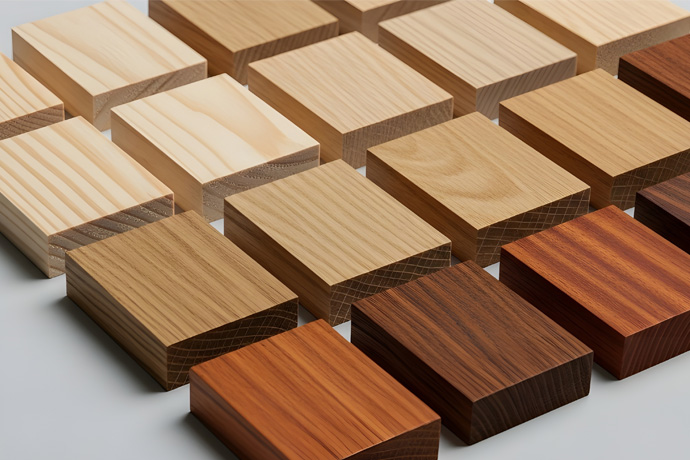
AWI guidelines establish three primary grades: Premium, Custom, and Economy. These are not about “good, better, best” in a simplistic sense. They describe levels of refinement and tolerance. The right grade depends on how the space will be used and how important visual perfection is to the design.
Grade 1 (Premium): where it’s typically used
Premium grade is the highest level of precision and visual consistency. It is used where details are intentionally showcased: executive offices, luxury residences, reception areas, high-end hospitality spaces, and signature architectural features. Grain alignment, joinery, and finishing are expected to be exceptionally consistent.
Premium grade requires more time, more selection, and more hands-on craftsmanship, which is why it is chosen when appearance truly defines the space.
Grade 2 (Custom): best fit for most projects
Custom grade is the most common specification and often the most sensible. It offers high-quality construction, controlled tolerances, and a polished appearance without requiring museum-level control over every detail. Most well-designed residential, office, and commercial projects fall comfortably into this category.
When executed by an experienced millwork partner, Custom grade still feels refined, durable, and beautifully built.
Grade 3 (Economy): when it makes sense
Economy grade prioritizes function over appearance. It is typically used in utility rooms, storage areas, back-of-house spaces, or locations where aesthetics are secondary. Construction remains safe and structurally sound, but surface variation and minor imperfections are acceptable. Luxury environments rarely use Economy grade outside of hidden support spaces.
What Changes Between Grades
Appearance expectations and visual consistency
As you move from Economy to Premium, expectations around grain matching, veneer selection, and visual uniformity become significantly stricter. Premium requires careful selection and alignment, so surfaces feel seamless and intentional. Custom allows some natural variation while remaining visually cohesive.
Construction details and fit/finish
Premium uses the most refined joinery techniques and requires tighter detailing. Edge conditions, seams, and transitions are expected to feel deliberate and precise. Custom still demands quality craftsmanship but allows slightly more variability. Economy prioritizes utility and structural soundness over refined finishing.
Tolerances and alignment expectations
The higher the grade, the tighter the tolerances. With Premium, small misalignments would be unacceptable. Doors, panels, reveals, and cabinetry faces are expected to align with near-perfect precision. Custom allows a slight deviation that is still comfortable to the eye. Economy accepts greater variation as long as functionality is preserved.
Material and finish expectations
Premium often calls for carefully selected veneers, specialty finishes, and materials chosen for both beauty and stability. Custom may use the same species but allow more variation within panels. Economy may utilize practical but less visually refined materials. Finishing processes also become more rigorous at higher grades, ensuring depth, clarity, and uniform color.
How to Choose the Right Grade
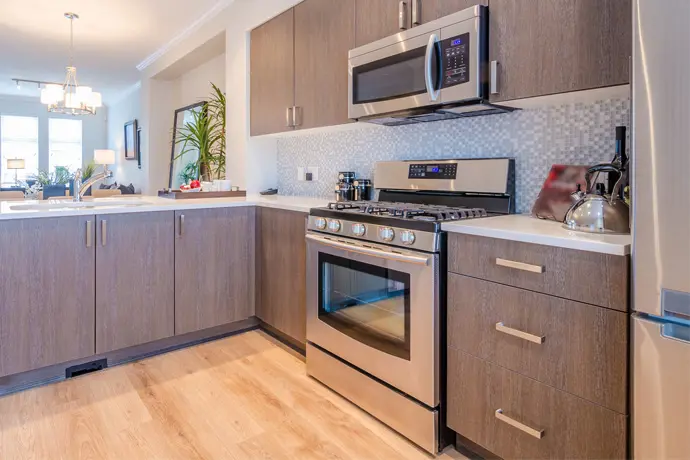
Residential kitchens and built-ins
Most luxury residential kitchens and built-in areas perform best at Custom grade, with Premium selected for focal elements such as feature walls, bars, or statement cabinetry. Kitchens combine design and durability, which means the right grade balances both.

Offices and corporate interiors
Executive suites, boardrooms, and reception areas benefit from Premium. Workspaces, conference rooms, and storage often function beautifully at Custom. The key is determining which zones define the brand experience.
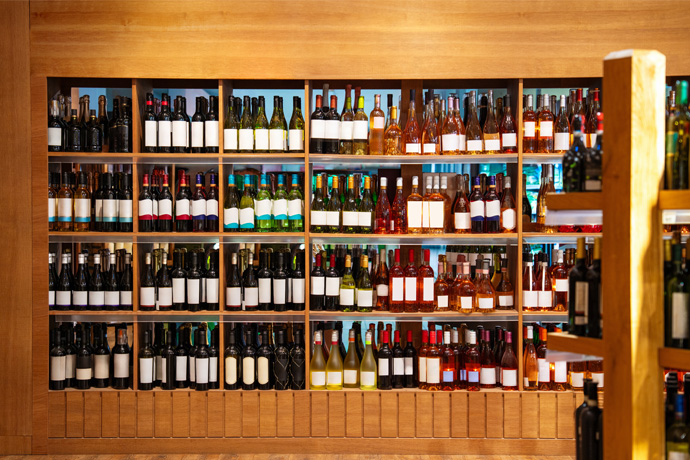
Retail and hospitality
Retail displays, hotel lobbies, and guest areas frequently require Premium due to visibility and brand impression. Support areas, service rooms, and stock spaces typically use Custom or Economy, depending on exposure and wear.
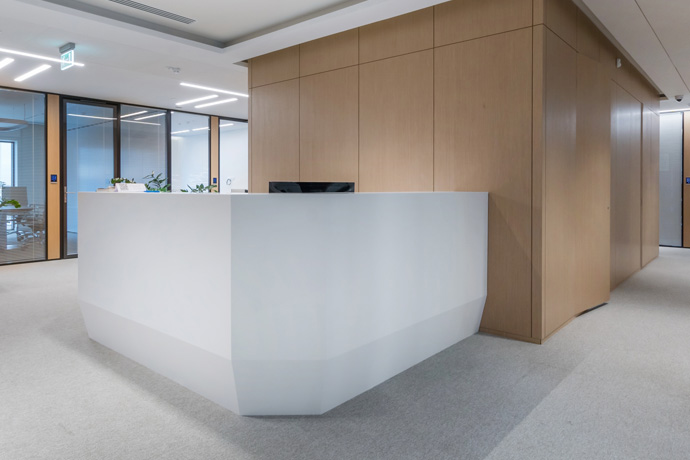
High-traffic or high-touch zones
In areas that are constantly used, such as reception desks, seating nooks, and service counters, the decision is as much about durability as appearance. Even when Premium isn’t chosen visually, construction quality must support longevity.
Questions to Ask Before You Specify
What to ask your millwork partner
Ask how they interpret each grade, what materials they recommend, and where upgrades would truly matter. A strong partner will explain tradeoffs honestly and help align grade selection with budget and aesthetic priorities.
What to ask your GC
Confirm how grades affect schedule, costs, and coordination with other trades. Understanding expectations early prevents revisions late in the process.
What to confirm in drawings and submittals
Ensure details such as reveals, veneer sequencing, finishes, hardware, and tolerances are clearly documented. Ambiguity leads to differing interpretations, which is rarely helpful on a luxury project.
Quick Grade Cheat Sheet
|
Premium Grade |
Custom Grade |
Economy Grade |
|
|
Typical Use |
Signature spaces, reception areas, executive offices, luxury residential, hospitality focal points |
Most residential, offices, classrooms, general commercial interiors |
Back-of-house, storage, utility rooms, low-visibility support areas |
|
Appearance |
Very strict grain matching, uniform color, seamless visual alignment |
Consistent appearance with natural variation allowed |
Visible variation and minor imperfections acceptable |
|
Craftsmanship & Joinery |
Refined detailing, precise seams and edges, showcased craftsmanship |
Quality construction with controlled tolerances |
Basic construction focused on strength and function |
|
Tolerances & Alignment |
Very tight tolerances. Misalignment is unacceptable |
Slight deviation allowed, but should still look clean |
Greater tolerances allowed if performance is unaffected |
|
Material Selection |
Carefully chosen veneers and finishes optimized for stability and beauty |
Same species often used, but with broader acceptance of variation |
Practical materials that prioritize cost and durability |
|
Finish Quality |
Depth, clarity, uniform tone, premium finishing process |
Durable finishes suited for daily use |
Standard protective finishes |
|
Durability |
Designed to perform and stay visually perfect long-term |
Strong balance of durability and aesthetics |
Suitable for low-priority spaces |
|
Cost Impact |
Highest investment due to labor and selection |
Moderate and most common choice |
Lowest cost |
At Joseph A. Interiors, our role is to help clients understand what each decision means, then elevate the finished product through craftsmanship, material expertise, and attention to detail. If you are planning a project and want to discuss which grade truly fits your goals, we are always glad to talk through the possibilities.
Custom millwork is already a statement of craftsmanship. When paired with thoughtful lighting, it becomes immersive, functional, and emotionally resonant. If you’re planning a luxury renovation, boutique retail space, or simply want to elevate your interiors with detail-driven design, we’d love to talk. Let’s bring your vision to life!
- Share:
-

-

-

-


