
August 12, 2026
Oak costs less and takes a beating well. Walnut carries a rich, dark color that reads as pure luxury the moment you walk into a room. Maple stays pale and understated, which makes it disappear into a design rather than compete with it. Exotic hardwoods bring grain patterns and colors that no domestic species can match, at a price that reflects it.
Every custom millwork project starts with a decision that shapes everything after it: the wood itself. Species affects far more than color. It determines how a piece ages, how it takes stain, how it holds up to daily use, and how much character it brings to a room the moment light hits it.
The Importance of Wood Species in Millwork
Wood is only one piece of a larger material story that also includes stone, metal, and finish work, and understanding how these materials work together shapes the whole outcome of a custom interior.
Species selection gets more complicated once you factor in application. A wood built to handle the daily impact of a staircase can be the wrong choice entirely for delicate trim work or cabinetry doors that need to stay stable over time.
Different types of millwork call for different strengths, whether that means hardness underfoot, workability for detailed carving, or dimensional stability in a humid kitchen.
Comparing Domestic Hardwoods
Domestic hardwoods remain the foundation of most bespoke interiors, and for good reason. They're readily available, deeply familiar to craftsmen, and each brings a distinct personality to a finished piece.
Understanding those differences is part of what keeps a home feeling intentional years after installation, the same principle behind millwork styles that never go out of fashion.
Oak: Strength, Grain and Cost Considerations
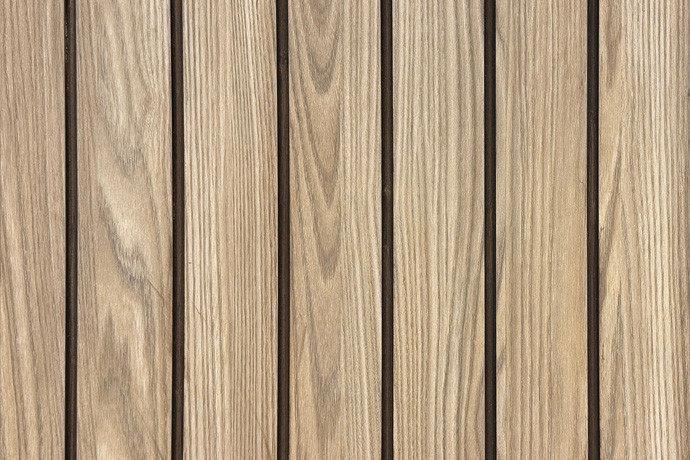
Oak has earned its reputation the hard way. Dense and durable, it resists dents and daily wear better than most domestic species, which is exactly why it's remained a go-to for staircases, flooring, and heavily used cabinetry for generations.
Its grain is pronounced, almost architectural, with a visible pattern that reads as substantial rather than subtle. That character comes at a lower cost than walnut, making oak a smart choice for clients who want durability and presence without the premium price tag of rarer species.
Walnut: Warmth and Sophistication
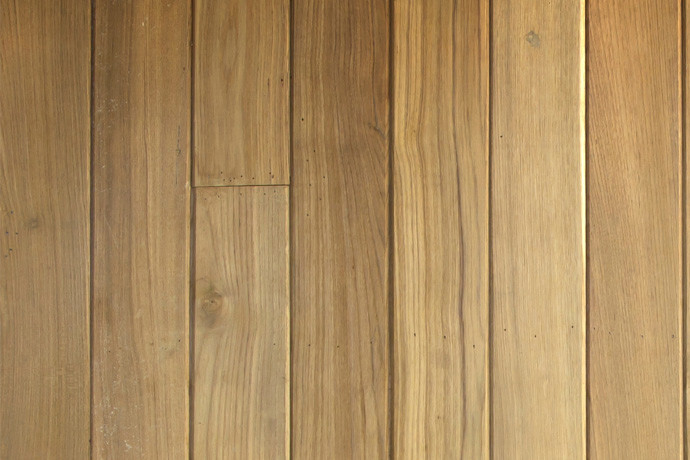
Walnut carries a different kind of appeal. Its deep, chocolate-brown tones and smooth, tight grain give it an understated richness that photographs beautifully and ages into something even better.
It's softer than oak, so it takes more care in high-traffic applications, but for statement pieces like a kitchen island, a built-in library wall, or a custom dining table, walnut delivers a luxury that few species can match.
Maple: Versatility and Modern Appeal
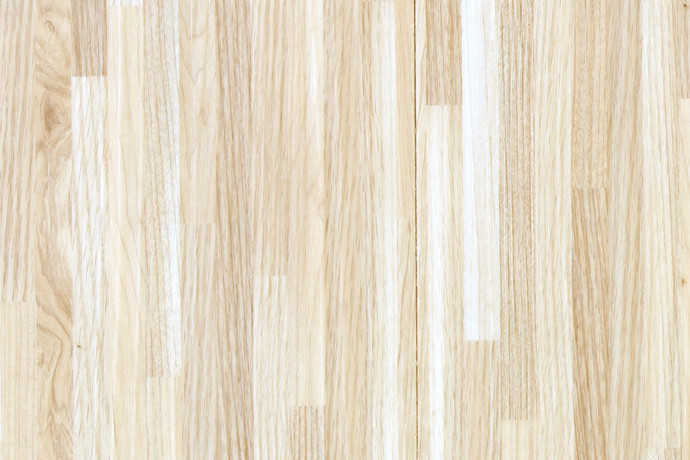
Maple offers something oak and walnut don't: a clean, light palette that suits contemporary and transitional interiors equally well. Its fine, subtle grain lets paint or light stain do the talking, which makes it a favorite for cabinetry in modern kitchens and minimalist built-ins.
It's also one of the hardest domestic species available, so it holds up beautifully in spaces that see constant use.
Exploring Exotic Hardwoods
For clients seeking something beyond what's regionally common, exotic hardwoods open up a different range of color, grain, and texture entirely.
Mahogany, Teak and Other Unique Species
Mahogany brings a reddish-brown depth and a fine, even grain that has defined fine furniture and paneling for centuries. Teak, prized for its natural oils and resistance to moisture, has long been a favorite for pieces that need to withstand humidity or outdoor exposure without sacrificing elegance.
Beyond these, species like sapele, wenge, and zebrawood offer bold grain patterns and wide tonal variety for clients who want a piece that reads as genuinely one of a kind.
Sustainability and Sourcing Issues
Exotic species come with sourcing considerations that domestic woods generally don't. Availability can shift with international trade conditions, and responsible sourcing matters both ethically and for long-term supply reliability.
Working with a craftsman who sources through certified, traceable suppliers ensures a piece is beautiful today and remains defensible in terms of where the material actually came from.
Matching Wood Species to Project Needs and Budget
The right species for a project depends on three things: how the piece will be used, the aesthetic you're building toward, and what the budget allows. A heavily trafficked stair tread calls for a different species than a decorative accent wall, even within the same home.
Grading matters here too. Understanding architectural woodwork grades helps clients see why two pieces made from the same species can vary meaningfully in price and finish quality. Premium grade lumber, tighter grain selection, and more meticulous matching all carry a cost, but they also carry a visible difference in the final result.
At Joseph A. Interiors, we walk every client through these tradeoffs before a single board gets cut, matching species and grade to the life a piece actually needs to live. If you're planning a custom project and want guidance on the right wood for it, reach out to Joseph A. Interiors and let's talk through your vision.
Custom millwork is already a statement of craftsmanship. When paired with thoughtful lighting, it becomes immersive, functional, and emotionally resonant. If you’re planning a luxury renovation, boutique retail space, or simply want to elevate your interiors with detail-driven design, we’d love to talk. Let’s bring your vision to life!
- Share:
-

-

-

-


