
October 17, 2026
Anyone planning a kitchen, a primary bath, or a wall of built-ins this year has likely wondered what the wood tariffs mean for their budget. With a scheduled increase on imported cabinets arriving January 1, 2027, the question deserves a clear answer, and a few practical steps can keep a well-planned project on steady footing.
Why Millwork Pricing Has Shifted
Custom millwork has always been priced around materials, skilled labor, finishing, and installation. Over the past year, federal duties on imported wood products added another factor that has rippled through quotes across the industry. Our guide to project budgeting for custom millwork lays out the fundamentals, and what follows builds on it.
Section 232 duties on imported cabinets, vanities, and lumber
A Section 232 proclamation took effect on October 14, 2025. Softwood lumber carries a 10% duty, while finished kitchen cabinets and vanities carry 25%, a rate that also reaches parts imported for use in them. A planned jump to 50% was delayed by a year, which holds today's rate through December 31, 2026, and sets the step-up for January 1, 2027. Imports from the United Kingdom are capped at 10%, and those from the European Union and Japan at a combined 15%.
For anyone choosing new bathroom vanities, it helps to know where a piece is made before comparing prices. Hardwood lumber sits outside the softwood category in this action, and because the rules have shifted before, a conversation with your fabricator close to ordering time gives you the most current picture.
How import costs reach a domestic project quote
A duty is paid by the importer at the border and then becomes part of the supplier's cost. Distributors and dealers often apply their own margin to that duty-inclusive price, so a 25% duty can look larger by the time it reaches a fabrication shop.
That's why our process opens with consultation and budgeting, which gives us time to trace imported inputs and price them against current supplier information.
Where Tariffs Show Up in a Millwork Budget
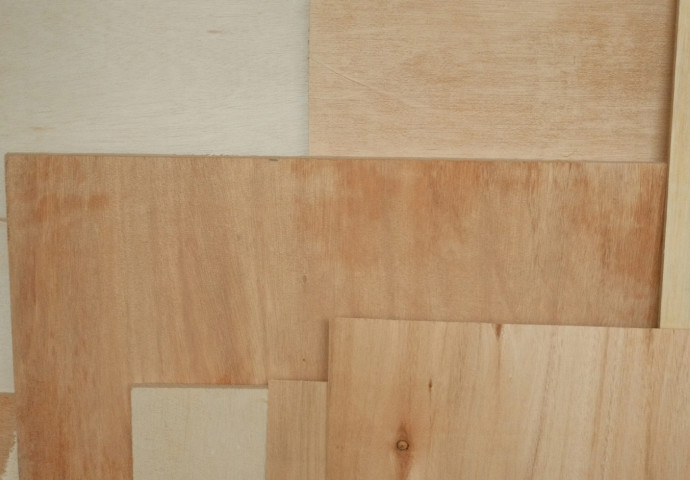
Panel stock, veneers and hardware
Sheet goods form the backbone of cabinet boxes and built-ins. Industry summaries place plywood outside the new cabinet and vanity duty, though panel and veneer prices still follow the wider market and the country of origin.
Hardware such as hinges and drawer slides often comes from overseas manufacturers and can reflect other trade measures. Requesting panels, veneer, and hardware as separate lines in an estimate shows exactly where any movement begins.
Imported stock cabinetry compared with custom fabrication
Finished imported cabinets and their parts sit squarely inside the Section 232 category, which makes stock cabinetry the most visible place for the duty to appear. Stock lines bring speed and standard sizing, and they remain a sensible fit for some projects, though a move from 25% to 50% could change that math next year.
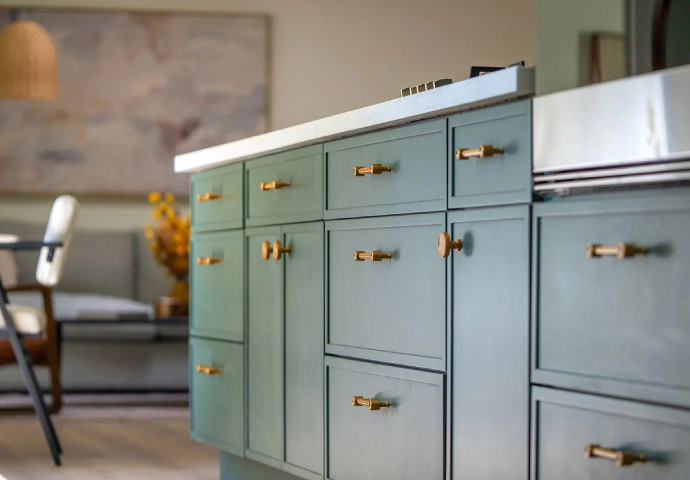
Domestically built residential cabinetry follows a different path, since the finished cabinet is made locally and duties reach only the inputs that happen to be imported. The design can also be fitted to your room with a precision that standard sizes seldom match.
Protecting a Project That Is Already Priced
Quote validity, material locks and escalation language
Clear contract language gives everyone confidence when markets move. A quote should state how long its pricing stands, and ordering key materials soon after a contract and deposit are in place secures those prices ahead of later changes.
If an escalation clause belongs in the agreement, the strongest versions tie any adjustment to a documented supplier increase and attach the invoices, so every party sees what changed and why.
Substitutions that hold the design intent
When a material climbs in price, a thoughtful substitution can preserve the character of the design. A domestically sourced hardwood in a similar tone, a different veneer cut over a domestic core, or a hardware line from a domestic distributor can all keep the finished space true to your vision.
Our comparison of oak, walnut, maple, and exotic hardwoods is a useful guide to how each species behaves in grain, color, and cost, and reviewing sample boards side by side makes the final choice easy.
The Case for Domestic Custom Fabrication
Cost predictability and a shorter supply chain
At Joseph A. Interiors, estimating, design and engineering, fabrication, finishing, and installation all happen in-house at our De Pere, Wisconsin facility.
Fewer handoffs mean fewer outside parties adding margin and fewer places for an unexpected price change to enter the project, and a shorter supply chain supports steadier lead times. For owners and homeowners, that structure translates into a number you can understand and a schedule you can rely on.
With the January 1, 2027 change on the horizon, an early conversation gives you the widest range of options. Contact us or call 920-347-5850 to begin planning your project.
Transform Your Space: Discover the Luxury of Custom Interior Design Today!
- Share:
-

-

-

-


