
August 12, 2026
There was a time when "sustainable materials" meant a narrower, less attractive set of options. Thankfully, that's no longer true.
FSC-certified wood, low-VOC finishes, and rapidly renewable materials, like bamboo and cork, have closed the gap between responsible sourcing and genuine craftsmanship. This guide breaks down what those materials can actually offer your millwork project.
Why Sustainability Matters in Millwork
Sustainable millwork refers to custom woodwork, cabinetry, trim, and built-in pieces made using responsibly sourced wood and production methods that minimize environmental impact. That includes things like using lumber from certified forests, reducing waste during fabrication, choosing low-VOC finishes and adhesives, and favoring durable construction that keeps pieces out of landfills longer.
It's woodworking that considers the full lifecycle of the material, from where it came from in the forest to how long the finished piece will last in someone's home or building.
Prioritizing sustainable materials changes how a project gets planned from the very beginning, starting with choosing the right materials for a custom interior and extending into every decision about the types of millwork a space actually needs.
Environmental and Health Benefits
Custom cabinetry sits close to the people who live and work around it every day, which means the finishes and adhesives used matter just as much as the craftsmanship itself. Indoor air quality often runs measurably worse than outdoor air, and building materials are a major contributor to that gap.
Volatile organic compounds, gases released from certain finishes, adhesives, and treated woods, build up indoors at concentrations far higher than what you'd find outside. Choosing low-VOC finishes and responsibly sourced materials protects the people spending time in that space.
Meeting Client and Regulatory Expectations
Clients increasingly ask specific questions: where the wood came from, what's in the finish, and how the product is certified. Commercial clients often have to answer these same questions for building codes, LEED certification, or corporate sustainability commitments.
Meeting these expectations requires more than good intentions. It requires materials that perform, finishes that hold up, and documentation that backs up every claim.
Exploring Eco-Friendly Materials
Recycled and FSC-Certified Woods
FSC certification is the clearest signal of responsible sourcing available in the wood industry. The certification helps ensure trees are harvested and managed responsibly, preventing deforestation and forest degradation while maintaining healthy, resilient forests.
Reclaimed and recycled wood takes material from old barns, industrial buildings, and salvaged lumber rather than new harvests. Both approaches let a client build with real wood character while reducing the project's footprint on standing forests.
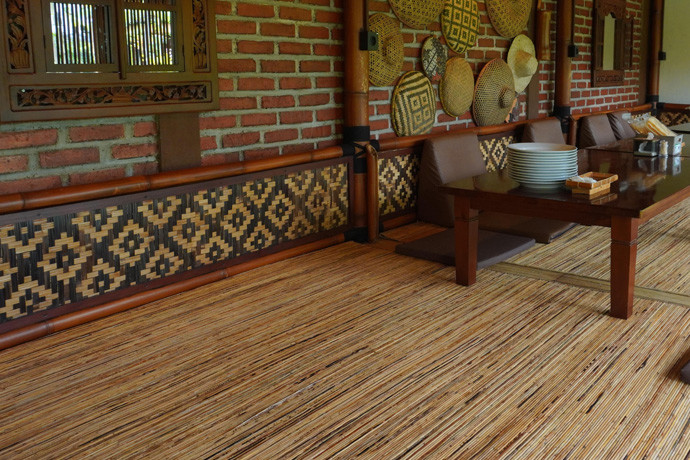
Bamboo, Cork and Rapidly Renewable Species
Bamboo grows and matures far faster than traditional hardwoods, some varieties reaching harvestable maturity in just a few years rather than decades. That speed makes it one of the most renewable materials available for flooring, paneling, and certain cabinetry applications.
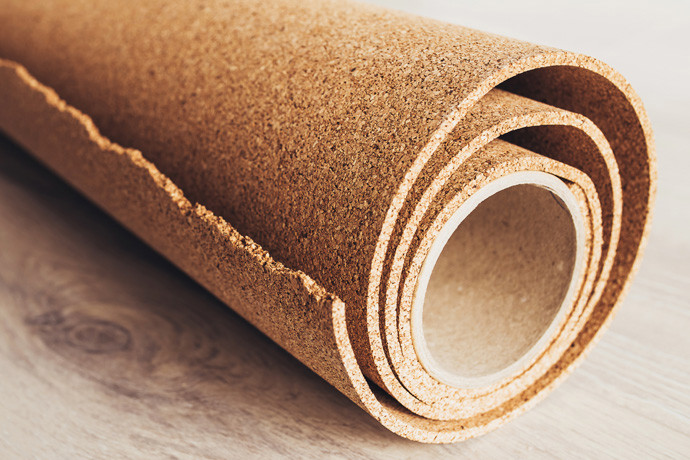
Cork brings a different advantage. It's harvested from the bark of the cork oak without cutting down the tree, so the same tree can be harvested repeatedly across a lifespan measured in decades. Both materials bring a distinct texture and warmth.
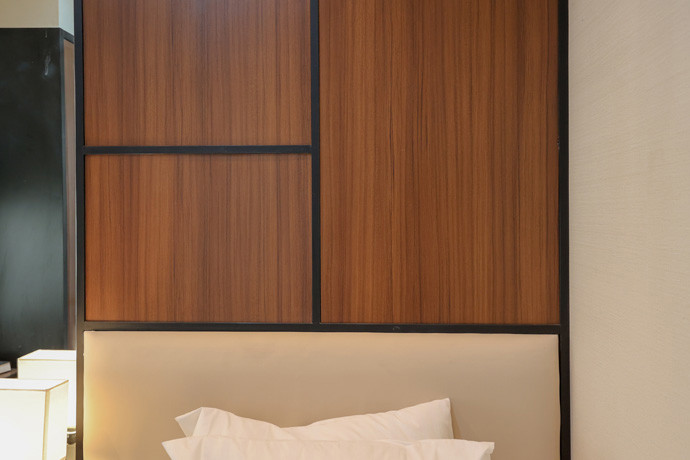
High-Pressure Laminates and Low-VOC Finishes
Laminates have earned an unfair reputation in some design circles. Still, modern high-pressure laminates offer genuine sustainability advantages: durability that reduces replacement cycles, and manufacturing processes that increasingly rely on recycled paper content.
Pairing them with low-VOC adhesives and finishes closes the loop on indoor air quality. Choosing certified low-emission products is one of the more direct ways a project can reduce its ongoing environmental footprint, since the impact continues well past installation day.
Designing for Durability and End-of-Life Considerations
A truly sustainable material choice accounts for the whole lifecycle of a piece, from the moment it's sourced to the day it eventually gets replaced. Durability plays a major role in that lifecycle.
A finish that holds up in high-traffic spaces like offices and restaurants means fewer replacements, less waste, and a longer return on the initial investment.
Choosing Materials That Last Longer and Are Recyclable
A cabinet or millwork piece built to last twenty years instead of eight avoids the material and manufacturing impact of an early replacement, regardless of what it's made from.
Designing for eventual disassembly matters too. Mechanical fasteners instead of permanent adhesives, and material combinations that can actually be separated and recycled at end of life, keep a piece out of a landfill years down the road.
How Joseph A. Interiors Integrates Sustainability Into Projects
Sustainability is a priority at Joseph A. Interiors. It shapes how we source material, specify finishes, and design every custom piece from the start.
We work with certified suppliers, prioritize low-emission finishes, and help clients understand the real tradeoffs between different sustainable options.
If sustainability matters to your next project, reach out to our team today. Let's build something that's beautiful and responsible from the ground up.
Transform Your Space: Discover the Luxury of Custom Interior Design Today!
- Share:
-

-

-

-


